

If you want to win new business online, especially on LinkedIn, you have to go back to an era before computers (let alone the Internet and social media) even existed.
For as long as human beings have been alive and doing business together, people have often decided who to give their trust, affection and money to based on some rather simple (and, some would argue, shallow) factors, including one’s personal appearance and dress.
Love it or hate it, this is the truth about how business often gets done in-person and online.
This is especially true on LinkedIn, where personal appearance matters far more than you might think.
On LinkedIn, Looks Matter
Case in point: Statistics from LinkedIn show members who include a photo receive up to 21 times more profile views and up to 36 times more messages.
What’s really alarming is there are still people on LinkedIn today who don’t have a a photo uploaded on their profile page!
Although, it should be said, if you upload the wrong type of photo on LinkedIn, you can do more harm to your personal and professional brand than if you’d had no photo at all.
With all that in mind, I want to spend the rest of this post ensuring that your LinkedIn profile photo helps prospective clients and customers get to know, like and trust you.
Source: Getty Images
Tip 1 – Be Professional
LinkedIn is not the place for a goofy Snapchat selfie or to crop your head out of your wedding photo. It is also not a place to upload your company logo as your profile photo. Nor is it a place to show you holding your kids, hanging at the beach or playing fetch with your dog.
Instead, you need a professional photo. That means a clear, high-quality head shot of you looking your best and dressed to impress.
Also, the photo must be a “close up” of your face, because LinkedIn will use that image all over the platform in various sizes, and people want to associate an easy-to-see face with the posts, comments and messages you send on LinkedIn. If your face is too far away or too small in the photo, it will be hard to see when LinkedIn displays your image in smaller sizes.
Tip 2 – No Clutter
Remember to use a clean, clutter-free background for your profile photo. A simple, white background works well.
Tip 3 – Don’t Wear Sunglasses
You’re not Corey Hart – you don’t need to wear your sunglasses at night, and you don’t need to wear them in your LinkedIn profile photo, either.
I’m still shocked at how many people I see on LinkedIn with sunglasses on, and that’s why I’m including this tip.
Remember, people want to look you in the eye (even online), and if they can’t see your eyes, they can’t trust you.
Tip 4 – Smile!
I had a goofball friend named Brad Schwie growing up who always had a smile on his face everywhere we went.
“Why are you always smiling?” I’d ask him.
“Because smiles are free!” he’d reply.
And, funny, Brad has more friends than I can count … everybody likes the guy, because he’s always smiling, friendly and welcoming. His smiling face instantly puts strangers at ease.
(Related: How To Win New Business on LinkedIn)
See how this works?
Even if it kills you, it’s critical that you smile in your LinkedIn Profile photo. Smiling is so important that I’ve actually told LinkedIn Riches students of mine to go back and get retakes of their profile photos because they weren’t smiling.
Tip 5: Use a Professional Photographer
According to LinkedIn, users who have a professional headshot get 14 times more views than those without.
Especially if you are asking potential clients and customers to spend thousands of dollars with you or your company, you need to look the part.
A professional, high-quality headshot shows you’re serious, competent and able to deliver on what you’re promising.
Look and Learn
At first glance, it might feel silly to worry so much about what goes into your LinkedIn profile photo.
But when you are first “meeting” someone online, it’s these little things that matter most.
(Related: How To Create a Killer LinkedIn Profile!)
You don’t get a second chance to make a first impression, and your LinkedIn profile photo is usually the first (and sometimes only) chance you have to impress a potential client or customer.
So take it seriously!
Originally published via

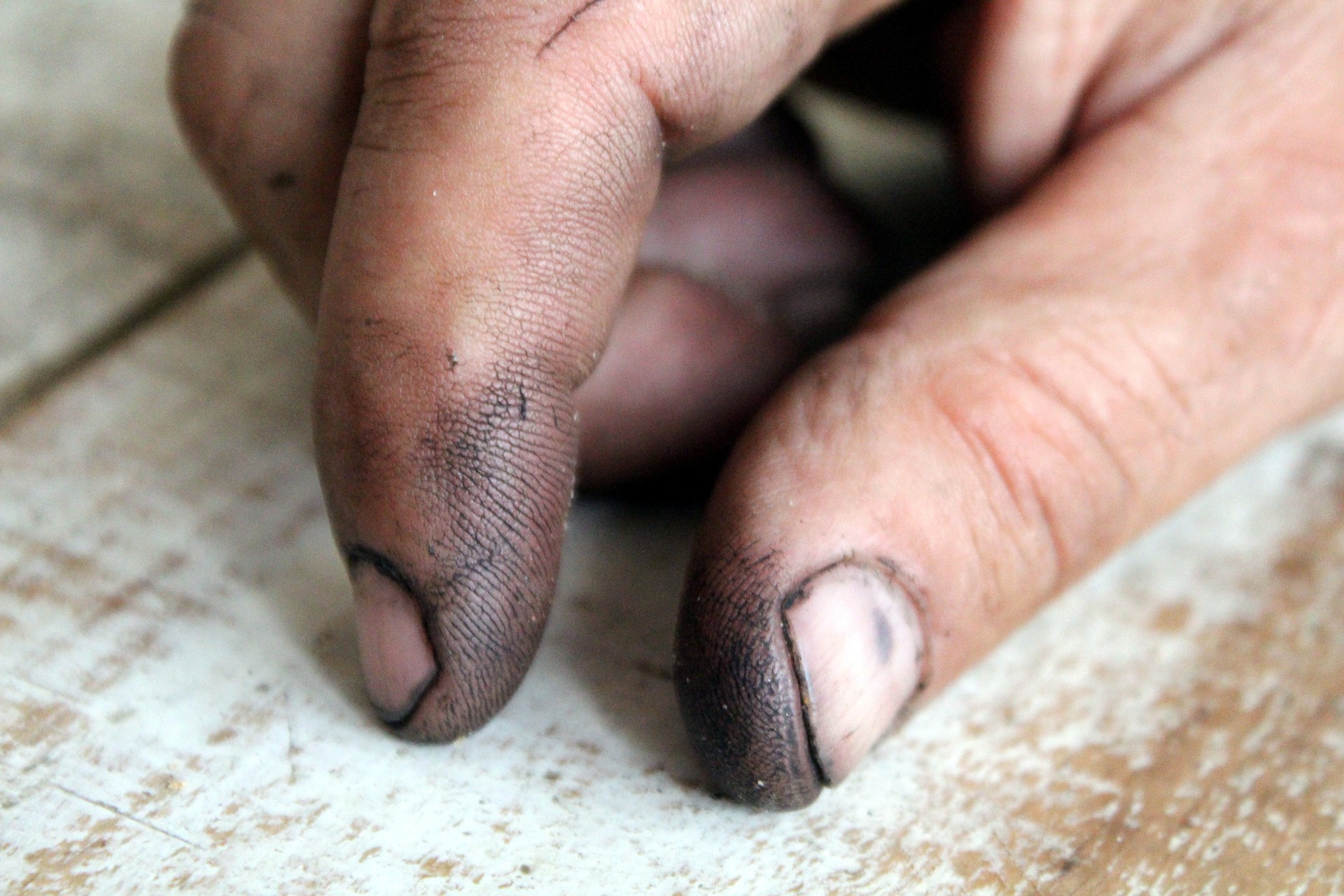
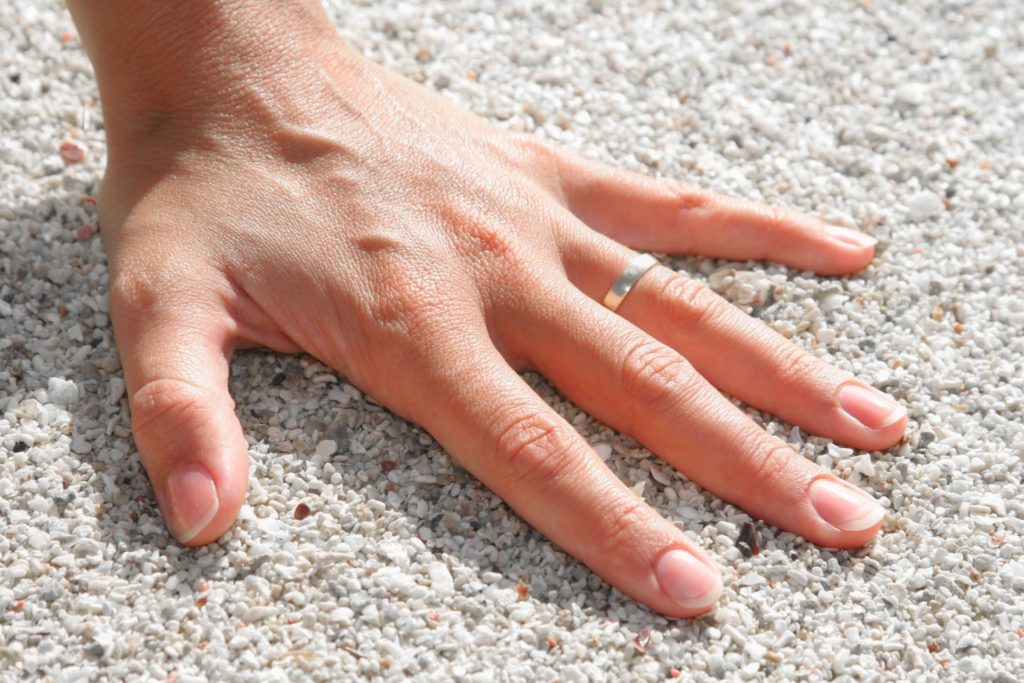 Like earlier said, dirty hands are a no-no, and that includes your nails too! You cannot be bothered most times, except when going on a date. This shouldn’t be the case. Your nails should be clean at all times, except you are fixing you car, gardening or have to do dirty work, after which your hands and nails should come out nice and clean after being washed. Soak them in hot/warm water if the dirt proves too tough to come out.
 Long nails aren’t really nice on men, even though certain guys like keeping the last two fingernails really long. I have a friend whom I asked why he kept that fourth nail long. He had no tangible reason, only that he liked that one long, plus it looked nice. In actual fact it did, when I looked at it. It was fresh and clean. No dirt underneath. That doesn’t mean you should keep long fingernails, though. It is best to clip each nail across or cut with a pair of scissors and then file nicely to give it a nice rounded finish. It isn’t vanity. If you don’t have the time, clip them after taking a shower or doing laundry or the dishes. Your nails would be soft and easy to clip/trim. When doing this, try as much as possible not to cut too close to your skin. Your hands don’t look too nice this way.

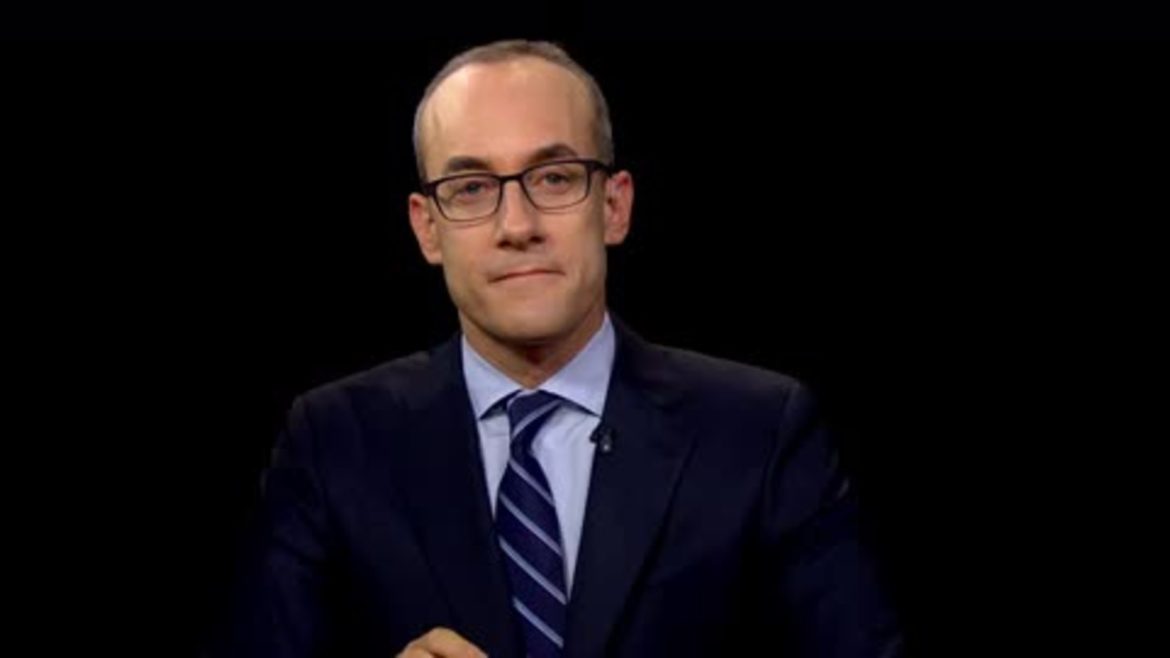
 The advantage that Israel’s economy—and its society—gains from Israel’s equally dispersed national service experience was driven home to us by neither an Israeli nor an American. Gary Shainberg looks more like a sailor (of the compact, stocky variety) than a tech geek, perhaps because he is an eighteen-year veteran of the British navy. Now vice president for technology and innovation at British Telecom, he met us late one evening in a Tel Aviv bar. He was on one of his many business trips to Israel, en route to Dubai.
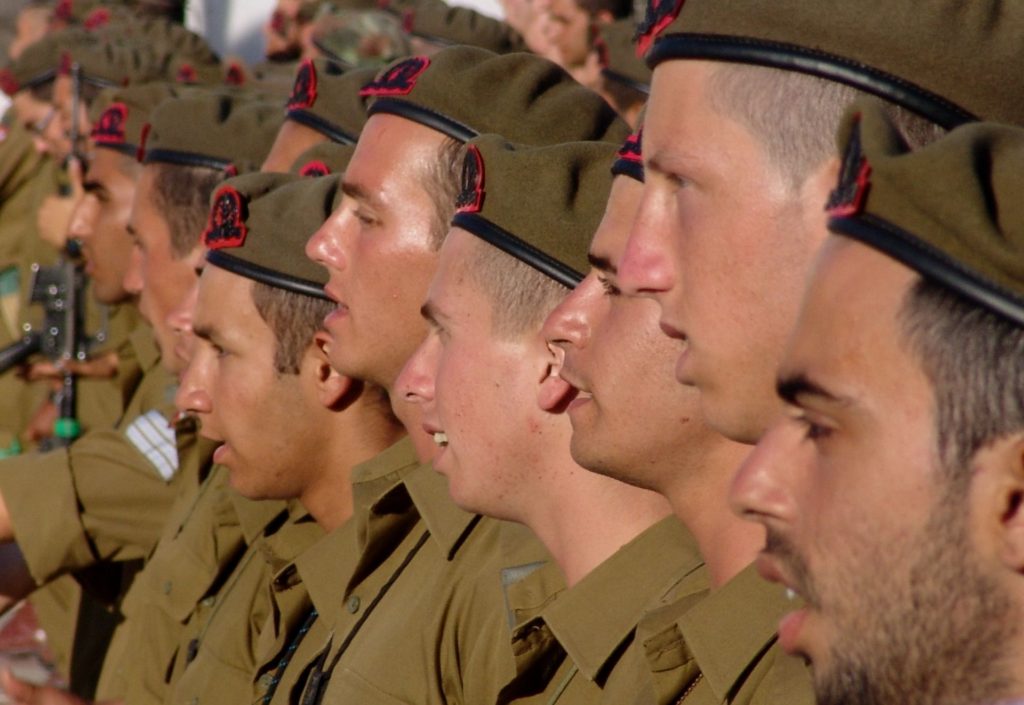 The Israeli Defense Forces (IDF) offers recruits another valuable experience: a unique space within Israeli society where young men and women work closely and intensely with peers from different cultural, socioeconomic, and religious backgrounds. A young Jew from Russia, another from Ethiopia, a secular sabra (native-born Israeli) from a swanky Tel Aviv suburb, a yeshiva student from Jerusalem, and a kibbutznik from a farming family might all meet in the same unit. They’ll spend two to three years serving together full-time, and then spend another twenty-plus years of annual service in the reserves.
 In the United States, for example, the military is limited to choosing only from among those potential recruits who express interest. Or as one U.S. recruiter put it, “In Israel, the military gets to select the best. In the U.S., it’s the other way around. We can only hope that the best choose us.”
 As Israeli entrepreneur Jon Medved—who has sold several start-ups to large American companies—told us, “When it comes to U.S. military résumés, Silicon Valley is illiterate. It’s a shame. What a waste of the kick-ass leadership talent coming out of Iraq and Afghanistan. The American business world doesn’t quite know what to do with them.”
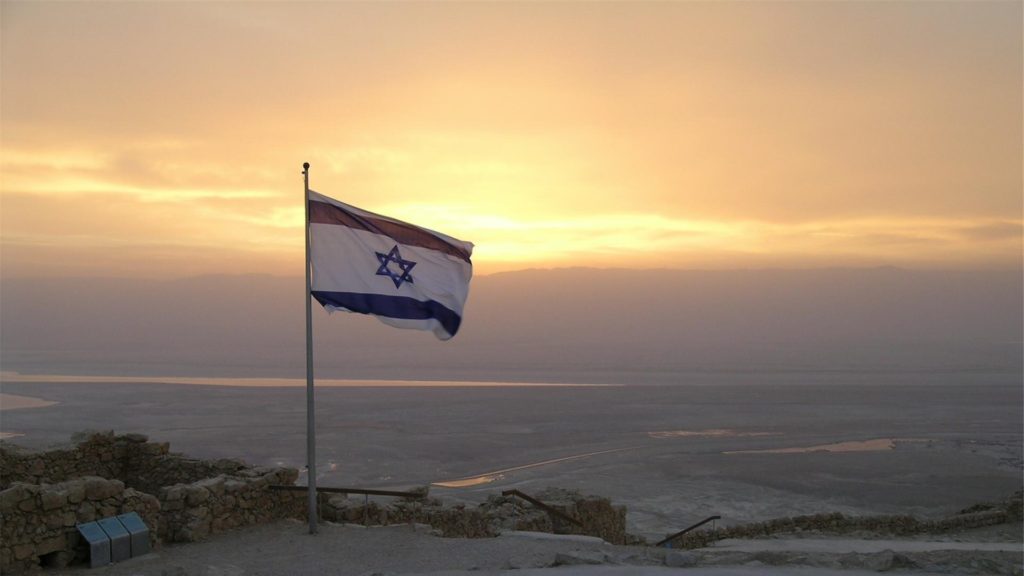 Given all this battlefield entrepreneurial experience, the vets coming out of the Iraq and Afghanistan wars are better prepared than ever for the business world, whether building start-ups or helping lead larger companies through the current turbulent period.

 So I’d like to share some ideas that have helped me porn-proof my mind and marriage: